Blog
The world of art collecting has transformed dramatically in recent years, yet many potential collectors remain uncertain about where to start. The traditional image of exclusive galleries with intimidating atmospheres no longer represents the full picture. Today’s art market offers multiple pathways to building a meaningful collection—from physical galleries and online platforms to direct studio visits and commissioned pieces.
Whether you’re acquiring your first piece or expanding an existing collection, understanding the landscape of art acquisition and display is essential. This knowledge empowers you to make confident decisions that align with your aesthetic preferences, budget, and living spaces. The following exploration covers the fundamental aspects of collecting: where to find and purchase art, how to work directly with artists, and how to curate and display your acquisitions effectively.
Where to Buy Art: Traditional Galleries vs Digital Platforms
The debate between traditional and digital art purchasing channels isn’t about choosing one over the other—it’s about understanding what each offers and when each serves your needs best.
The Traditional Gallery Experience
Physical galleries provide an irreplaceable opportunity to experience artwork in person. Texture, scale, and the subtle interplay of colors become fully apparent only when standing before the actual piece. However, location-based galleries carry hidden costs that inevitably affect pricing: prestigious addresses command premium rents, staff salaries, insurance, and elaborate opening events all contribute to higher price points that collectors ultimately pay.
The intimidation factor remains real for many first-time buyers. High-end galleries can project an exclusivity that makes newcomers feel unwelcome or unqualified to ask basic questions. This psychological barrier prevents countless people from engaging with art that genuinely speaks to them. Remember that gallery staff work for the artists they represent—asking questions is not only acceptable, it’s expected and welcomed by reputable establishments.
Digital Marketplaces and Online Platforms
Digital platforms have democratized art access in unprecedented ways. Collectors can browse thousands of artists and styles from anywhere, comparing prices and aesthetics without geographical limitations. The inventory available online vastly exceeds what any physical location could house, making it particularly valuable for busy professionals who struggle to visit galleries during traditional hours.
The primary challenge with digital purchasing involves assessing quality and authenticity from photographs alone. Screen colors differ from actual pigments, and scale can be deceptive. Reputable online galleries address these concerns by offering detailed condition reports, multiple high-resolution images, and generous return policies. Some platforms now provide virtual reality viewing experiences that approximate the in-person encounter.
The Hybrid Approach
Experienced collectors often combine both methods: they discover artists and compare prices online, then arrange in-person viewings for serious considerations. This approach optimizes the discovery process while preserving the essential tactile evaluation before final purchase.
The Studio Direct Approach: Connecting With Artists
Purchasing directly from an artist’s studio represents perhaps the most intimate and rewarding way to acquire art. This approach bridges the gap between the collector and the creative process itself, offering insights and relationships that gallery purchases rarely provide.
Understanding Studio Provenance
When you acquire work directly from an artist’s workspace, you’re obtaining unmediated provenance—the clearest possible documentation of the work’s origin. You witness the environment where the piece was created, understand the artist’s broader body of work, and often learn the specific inspirations behind individual pieces. This context enriches your relationship with the artwork and provides compelling stories for future viewers in your home.
Virtual and In-Person Studio Visits
Studio visits traditionally required geographical proximity, but virtual alternatives now make this experience accessible regardless of location. During these engagements—whether physical or digital—you can:
- View works in progress and understand the artist’s current direction
- Ask questions about techniques, materials, and creative philosophy
- See pieces that haven’t yet reached gallery representation
- Discuss potential customizations or future commissions
- Establish a direct relationship that may evolve over years
The key difference between studio direct and gallery purchases lies in the relationship itself. Gallery transactions tend to be one-time events, while studio relationships can develop into ongoing dialogues where the artist understands your evolving tastes and living spaces.
The Economic Reality
Studio-direct purchases typically cost less than gallery equivalents because they eliminate the intermediary’s commission—usually between 40% and 50%. However, this shouldn’t be your primary motivation. The real value lies in access to work that may never reach public galleries and the opportunity to support artists more directly.
Commissioning Original Artwork
Commissioning a piece represents the most personalized form of art acquisition, but it requires careful navigation to achieve satisfying results.
Timing matters significantly when inquiring about commissions. Artists deep in preparation for exhibitions or already committed to multiple projects may lack bandwidth for new work. The most productive approach involves expressing interest, asking about current availability, and establishing realistic timelines. Commission timelines often extend several months or even years for sought-after artists.
One common pitfall involves purchasing unfinished work or experimental studies that the artist created for exploration rather than exhibition. These pieces may lack the refinement of completed work and can disappoint once installed in your home. During studio visits, distinguish between finished available work and process pieces that serve the artist’s development but weren’t intended for sale.
Successful commissions begin with clear communication about:
- The intended space and how it will be lit
- Your aesthetic preferences while respecting the artist’s vision
- Practical constraints like size, orientation, and color palette
- Budget parameters including framing if applicable
- Timeline expectations and payment structure
The best commissioned pieces emerge from collaborative dialogue where you articulate your vision while trusting the artist’s expertise. Micromanaging creative decisions rarely produces satisfying results.
Displaying Art in Your Home
Acquisition represents only half of successful collecting—thoughtful display determines whether artwork enhances your living environment or becomes visual clutter.
Scale, Proportion, and Room Function
The relationship between artwork size and wall space follows principles that interior designers call the two-thirds rule: art should occupy roughly two-thirds of the available wall width to feel properly proportioned. Oversized pieces in small rooms create oppressive atmospheres, while tiny works on expansive walls appear lost and insignificant.
Consider room function when selecting pieces. High-energy abstract work might energize a home office but prove distracting in a bedroom intended for rest. Contemplative, subdued pieces suit meditation spaces, while vibrant colors and dynamic compositions enhance social areas like dining rooms and living spaces.
The Gallery Wall Approach
Creating a gallery wall—a curated arrangement of multiple pieces—requires planning but offers flexibility for growing collections. Start by arranging pieces on the floor to experiment with layouts before committing to wall holes. Maintain consistent spacing between frames, typically 2-3 inches, to create visual cohesion.
Gallery walls can follow strict grid patterns for formal spaces or organic arrangements for casual environments. The unifying element might be frame style, color palette, subject matter, or simply your personal taste across diverse works.
Color Harmony: Matchy-Matchy vs Contrast
A persistent question troubles many collectors: should artwork match existing décor or provide contrast? The answer depends on your goals. Complementary colors from the artwork that echo furniture or wall tones create harmonious, calm environments. Contrasting pieces become focal points that energize spaces and draw the eye.
Neither approach is inherently superior. However, treating art as an afterthought that must “match the couch” often results in uninspired choices. Consider instead selecting compelling artwork first, then allowing it to anchor and inform your broader design decisions.
Hanging Height: The Most Common Error
Hanging art too high remains the single most frequent display mistake. The standard guideline places the center of the artwork at 57-60 inches from the floor—approximately eye level for average height individuals. This positioning allows comfortable viewing without neck strain.
In rooms where you’re usually seated, like dining areas, lower this height slightly. Above furniture, maintain 6-8 inches between the furniture top and the frame bottom to create visual connection without crowding.
Common Mistakes to Avoid When Collecting Art
Understanding potential pitfalls helps new collectors navigate the market with greater confidence.
Perhaps the most significant risk involves purchasing based solely on location reputation. A prestigious gallery address or a famous art district name doesn’t guarantee quality or fair pricing. Evaluate each piece on its own merits, considering how it resonates with you personally rather than relying on geographic cachet as a proxy for value.
The digital marketplace introduces different risks. Without physical inspection, you might receive work that differs from screen representations in color accuracy, surface quality, or condition. Mitigate this by purchasing from platforms with robust return policies and sellers with established positive feedback.
Finally, resist the temptation to rush. Building a meaningful collection unfolds over time. Living with uncertainty about a purchase decision usually signals that you haven’t found the right piece yet. The artwork that truly belongs in your home will make itself known through persistent resonance—that quality where you can’t stop thinking about the piece days after seeing it.
Art collecting ultimately combines intellectual engagement, aesthetic pleasure, and personal expression. By understanding where and how to acquire work, how to connect meaningfully with artists, and how to display your collection thoughtfully, you transform abstract concepts into daily encounters with beauty and meaning. The journey itself—learning to see, to evaluate, and to trust your developing eye—often proves as rewarding as the collection you build.
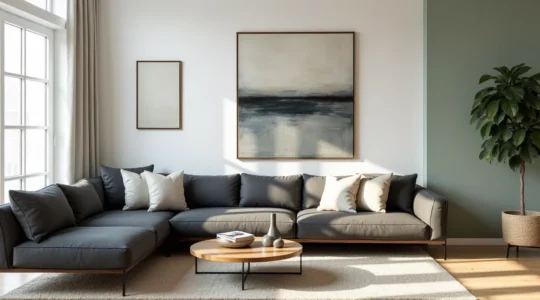
Art in Interior Design: How to Choose Art That Anchors a Room’s Atmosphere?
The transformative power of art in a room comes not from matching the decor, but from strategically dictating it with visual weight and spatial purpose. Artwork should be scaled to the wall, not the furniture, covering 50-70% of the available…
Read more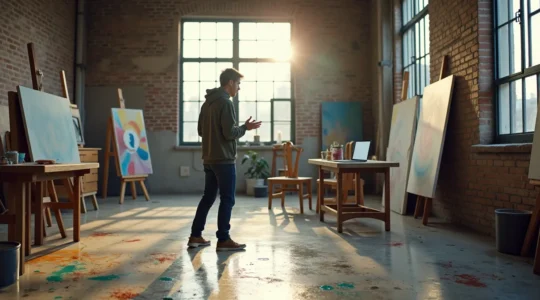
Inside the Private Studio: How Virtual Access Is Redefining Art Valuation
Contrary to the belief that virtual access is just a convenient substitute for a gallery visit, it’s actually a strategic tool that fundamentally reshapes an artwork’s value by granting collectors direct participation in its story. Direct studio access creates “intangible…
Read more
Parisian Galleries vs. Online: Why the Marais District Model Is Losing 30% of New Collectors?
Contrary to popular belief, the prestige of a Marais gallery address is no longer a guarantee of value; it’s often a hidden tax on new collectors. The traditional gallery model inflates prices by up to 30% to cover overheads like…
Read more