Street Art & Graffiti
Street art and graffiti have evolved from underground rebellion to globally recognized art movements that reshape urban landscapes and challenge traditional notions of what art can be. What began as illicit tags on subway cars has transformed into a complex cultural phenomenon encompassing everything from quick throw-ups in back alleys to massive commissioned murals that attract international tourism. Understanding this world means grasping not just the technical skills required to manipulate a spray can, but also the intricate social codes, legal gray zones, and cultural significance that make street art one of the most dynamic forms of contemporary expression.
Whether you’re curious about the technical fundamentals, fascinated by the subculture’s unwritten rules, or interested in how street art intersects with social issues and commerce, this comprehensive resource will guide you through the essential landscape. From the chemistry of spray paint to the ethics of painting in public spaces, we’ll explore what makes this art form both accessible and endlessly complex.
What Is Street Art and Why Does It Matter?
Street art exists at the intersection of visual expression, public space, and cultural commentary. Unlike gallery art created for private consumption, street art claims public walls as its canvas, making it inherently democratic—anyone walking by becomes the audience, regardless of their economic status or art education. This accessibility is precisely what gives the medium its power and cultural relevance.
The distinction between graffiti and street art, while often debated, generally comes down to intent and technique. Traditional graffiti culture revolves around letter-based styles and tagging—the repeated placement of a writer’s name or crew acronym. Street art, meanwhile, encompasses a broader range of techniques including stencils, paste-ups, murals, and installations, often with explicit social or political messaging. Both forms share the fundamental characteristic of transforming urban environments without formal permission, though commissioned murals have increasingly blurred these boundaries.
Why does this matter in our cultural landscape? Street art serves as an unfiltered barometer of community sentiment, giving voice to perspectives often excluded from traditional media. When neighborhoods gentrify, when social movements emerge, when communities celebrate or mourn—street art frequently provides the first visual documentation. It’s art history being written in real-time on our city walls, capturing the zeitgeist in a way that institutions often cannot.
Essential Tools and Techniques for Getting Started
Mastering street art begins with understanding your primary instrument: the aerosol can. This seemingly simple tool contains remarkable complexity once you look beyond the exterior. The cap system—the interchangeable nozzles that control paint flow—represents your first critical decision point. A skinny cap produces fine lines perfect for detailed work and outlines, while fat caps create wide coverage ideal for fills and backgrounds. Understanding which cap to use for each application separates novice work from controlled, professional execution.
Understanding Pressure and Paint Control
Not all spray cans perform identically. Low-pressure cans offer superior control and reduced overspray, making them ideal for detailed work and stencil applications where precision matters most. High-pressure cans, conversely, provide faster coverage and stronger pigment delivery—essential when you’re working on large surfaces or need to cover existing paint. The trade-off is always the same: control versus speed. Experienced artists often carry both types, selecting based on the specific demands of each section they’re painting.
Common Technical Challenges
Two technical issues plague beginners more than any others: drips and clogging. Drips occur when you hold the can too close to the surface or move too slowly, allowing paint to accumulate and run. The solution lies in maintaining consistent distance and speed—typically 6-10 inches from the wall with smooth, deliberate motion. Clogging becomes particularly problematic in cold weather when paint viscosity increases. Keeping cans at room temperature before use and clearing caps after each session prevents most cold-weather frustrations.
Health and Safety Fundamentals
The romantic image of street artists often omits an unglamorous reality: spray paint contains volatile organic compounds and particulates that pose genuine health risks. Quality respirators with appropriate filters aren’t optional equipment—they’re essential protection for anyone working with aerosols regularly. The investment in a proper half-face respirator with organic vapor cartridges pays dividends in long-term respiratory health, especially for those transitioning from occasional pieces to serious practice.
The Culture, Codes, and Community of Street Art
Behind the visible art exists an intricate social structure with its own vocabulary, hierarchy, and unwritten rules. The street art community, often called the “writer culture” in traditional graffiti circles, operates according to codes that newcomers must learn to navigate respectfully. Understanding these social dynamics is as crucial as mastering technical skills.
The Hierarchy: From Toy to King
The graffiti world employs a meritocratic ranking system based on skill, style development, and consistency. A “toy” represents the lowest tier—someone with underdeveloped skills whose work shows lack of understanding. As writers improve and develop recognizable style, they gain respect. “Kings” sit atop this hierarchy, having demonstrated exceptional skill, prolific output, and often decades of dedication. This ranking isn’t formalized—it emerges through community consensus and is constantly negotiated through the quality and placement of work.
Solo Writers Versus Crew Dynamics
The choice between working solo or joining a crew fundamentally shapes an artist’s development and opportunities. Solo writers maintain complete creative control and don’t navigate crew politics, but they miss the knowledge-sharing, protection, and expanded resources that crews provide. Crews function like artistic collectives—members share techniques, spot locations, collaborate on large projects, and build collective reputations. The blackbook, a sketch pad where artists develop ideas and collect drawings from peers, becomes particularly valuable in crew culture as a portfolio and networking tool.
Capping and Respect Codes
Perhaps no action carries more weight than “capping”—painting over someone else’s work. This represents either disrespect or a direct challenge, depending on context. Going over a toy’s poor work to improve a wall’s aesthetic might be accepted; capping an established artist’s quality piece invites retaliation and reputational damage. These unwritten rules maintain a rough order in the competitive landscape of limited wall space. Respect is earned through skill and appropriate conduct, not demanded.
Navigating the Legal and Social Landscape
Street art exists in perpetual tension between artistic expression and property rights. This legal ambiguity shapes everything from how artists work to how their art is perceived and preserved.
The Vandalism Versus Art Debate
The line between vandalism and art remains legally clear yet culturally contested. Without property owner permission, applying paint to surfaces constitutes criminal property damage in most jurisdictions, regardless of artistic merit. Yet cities increasingly recognize that certain street art brings tourism, cultural vitality, and increased property values. This has created a paradoxical situation where the same municipality that arrests taggers might commission murals from established street artists. The legal risk remains real—fines, criminal records, and even incarceration are possible consequences that every artist must weigh against their creative drive.
Street Art as Social Commentary
What separates street art from mere decoration is often its capacity to serve as incisive social commentary. Artists use public walls to critique gentrification, highlight inequality, commemorate community losses, and challenge political power—all without requiring institutional approval or filtering. When neighborhoods transform through economic development, street art frequently documents the displacement and cultural shifts that official narratives ignore. This guerrilla journalism aspect makes the medium particularly valuable in communities lacking other platforms for public expression.
Cultural Appropriation and Community Engagement
As street art has gained mainstream acceptance, questions of cultural appropriation have become increasingly important. Outside artists parachuting into neighborhoods to paint murals without understanding local context or involving community members can constitute a form of cultural colonization. Best practices now emphasize community engagement—consulting residents, collaborating with local artists, and ensuring that work reflects rather than imposes upon neighborhood identity. Street art at its best amplifies community voices; at its worst, it becomes another form of external imposition.
From Walls to Galleries: The Evolution and Expansion
The transition from illegal street work to gallery representation represents both opportunity and controversy. For some, it’s the natural evolution of successful artists gaining recognition; for others, it’s a sellout that betrays street art’s anti-establishment roots.
The mechanics of this transition require adapting street techniques to gallery contexts. Large-scale murals don’t translate directly to canvas, leading many artists to develop parallel studio practices. Some bridge this gap through techniques like stencil art, which offers reproducibility—a single stencil can create multiple prints or be scaled for different surfaces. Understanding technical elements like “islands” (the areas that remain after cutting) and “bridges” (the connections that hold stencil pieces together) becomes crucial for creating work that functions both on walls and in commercial contexts.
This evolution raises authentic questions about artistic integrity. Does gallery success dilute the raw energy that makes street art powerful? Or does it simply provide sustainable livelihoods for talented artists who deserve to earn from their work? The street art community remains divided, though many practitioners successfully navigate both worlds—maintaining illegal street practice while also selling gallery work and accepting commissions.
Street Art as Collectible Culture
Parallel to street art’s rise, a robust collectibles market has emerged around urban vinyl toys and limited edition prints. Artists who made names on streets now release designer toys, screen prints, and small sculptures that fans collect and trade. This represents street art’s full commodification—work that began as anti-commercial expression transformed into investable assets.
Understanding the Market Dynamics
The collectibles market operates on artificial scarcity. Limited edition drops create hype cycles where items sell out within minutes, then appear on secondary markets at multiples of retail price. Box condition dramatically affects value—mint condition packaging can double an item’s worth. This has created a class of collectors who never open their purchases, treating art toys like stock certificates rather than aesthetic objects. Understanding whether pieces are open editions (continuously available) or limited drops (fixed quantities) becomes essential for anyone entering this market as collector or investor.
Authentication and Preservation
As values rise, so does counterfeiting. Learning to spot fake vinyl toys requires examining packaging quality, paint application consistency, and provenance documentation. Legitimate pieces from established artists include specific markers—serial numbers, artist signatures, or holographic stickers—that fakes often reproduce poorly. For serious collectors, proper display becomes crucial, as direct sunlight degrades vinyl, causing yellowing and brittleness that destroys both aesthetic and monetary value.
The Growing World of Street Art Tourism
Cities worldwide have recognized street art’s power to attract visitors and economic activity. Entire tourism industries have developed around street art districts, guided tours, and annual festivals that bring artists and enthusiasts together.
The economic impact can be substantial. Neighborhoods once considered marginal become destination areas; local businesses benefit from increased foot traffic; cities enhance their cultural reputations. However, this success brings complications. Heavy tourism can accelerate gentrification, pricing out the very communities that nurtured the art. Popular pieces suffer from weather degradation as cities struggle to balance preservation with street art’s inherently ephemeral nature.
Curated Festivals Versus Organic Development
Two models dominate street art tourism. Curated festivals and organized districts offer polished experiences—artists receive compensation, property owners consent, and visitors find concentrated art in safe, accessible areas. This controlled approach lacks the edge and authenticity of organic street art development, where work appears spontaneously, exists without permission, and might disappear any day. The distinction between these approaches represents larger tensions within street art: professionalization versus rebellion, preservation versus ephemerality, tourism revenue versus authentic community expression.
Practicing Respectful Tourism
For those exploring street art destinations, respectful engagement matters. Photography and appreciation are welcome; touching or altering artwork is not. Supporting local artists through legitimate channels—purchasing prints, tipping tour guides who are active artists, or buying from neighborhood shops—helps ensure tourism benefits creators. Understanding that street art exists within living communities, not open-air museums, encourages behavior that honors both the art and the people who live among it.
Street art and graffiti continue evolving, shaped by new technologies, changing legal landscapes, and ongoing debates about art’s role in public space. Whether you’re drawn to the technical mastery, the cultural dimensions, or the social impact, this world offers endless depth for those willing to look beyond the surface. The walls are speaking—learning their language opens up a rich dialogue about creativity, community, and the cities we share.
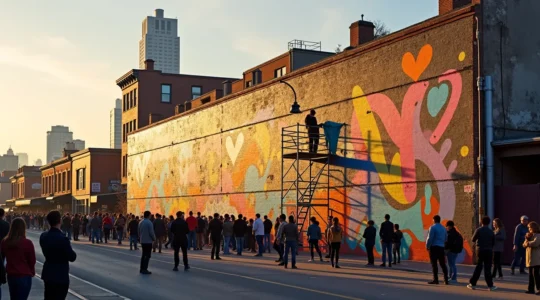
Open-Air Galleries: Are Street Art Festivals Replacing Traditional Museums?
Street art festivals are not just making art more accessible; they’re creating a cultural battleground where creativity clashes with commerce. The same murals that revitalize a neighborhood can also trigger gentrification, displacing the very communities they claim to represent. Authenticity…
Read more
Urban Collectibles: Why Are Plastic Toys Selling for the Price of Gold?
The insane prices of urban collectibles aren’t random; they follow predictable financial patterns that can be mastered. The condition of the box is a tangible asset; a minor dent can instantly trigger a 30% value erosion. Drop mechanics like lotteries…
Read more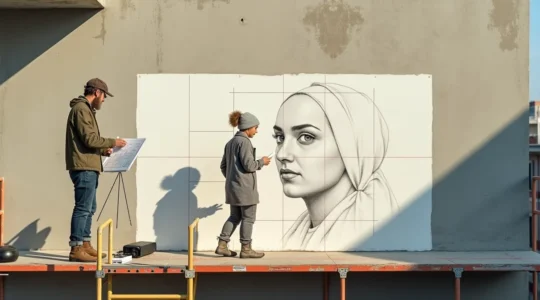
Mural Painting: How to Scale Your Art from A4 to a 10-Meter Wall
Your artistic skill is a given, but a 10-meter wall introduces challenges of physics and logistics that can ruin your work if you only think like a canvas painter. Scaling isn’t just drawing bigger; it’s choosing a method (grid, squiggle,…
Read more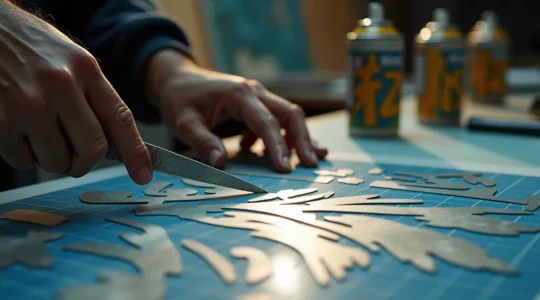
Stencil Art: How to Cut Complex Layers for Photorealistic Street Art?
In summary: Photorealism in stencil art is achieved through engineering and methodical precision, not just cutting skill. Material choice is foundational; 10 mil Mylar offers the best balance of durability and flexibility for repeated professional use. Mastering aerosol physics—the triad…
Read more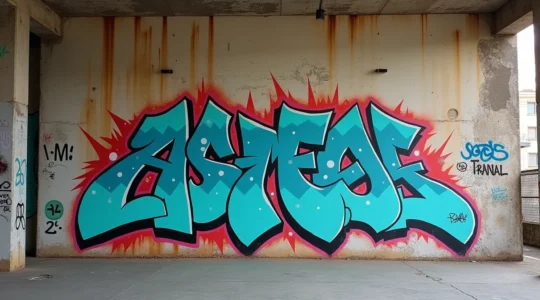
Graffiti Culture: What Are the Unwritten Rules of Respect Between Crews?
Contrary to the perception of graffiti as pure anarchy, it operates on a sophisticated set of unwritten rules. This code is not merely about etiquette; it’s a social and economic framework governing reputation, artistic development, and survival. Understanding this system…
Read more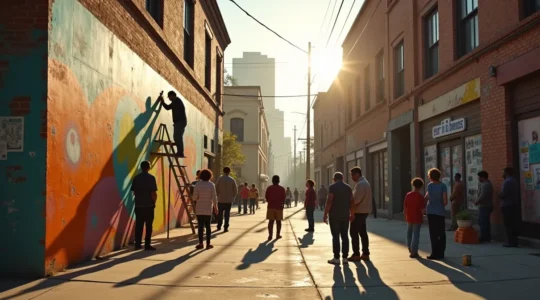
Urban Art Narratives: How Street Art Speaks for Marginalized Communities?
Contrary to the popular view of street art as simple beautification, it’s a complex social barometer revealing the tensions within a neighborhood. Murals can function as an early indicator of “aesthetic gentrification,” often preceding significant rent increases. The artistic and…
Read more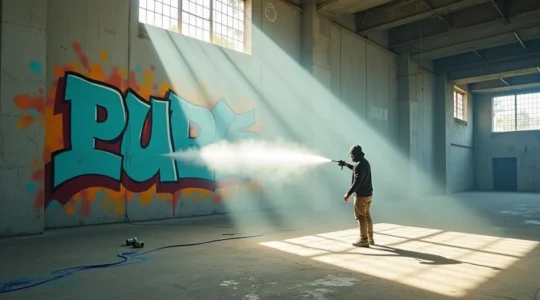
Aerosol Science: Beyond Practice to Master Can Control for Razor-Sharp Lines
True can control isn’t just muscle memory—it’s mastering the physics of aerosol and the unwritten rules of the culture. Your can, cap, and hand speed form a system that must be tuned, not just practiced. Environmental factors like temperature drastically…
Read more