Techniques & Materials
Every artwork begins with a choice—not just what to depict, but how to bring that vision into physical form. The techniques an artist employs and the materials they select fundamentally shape the final piece, influencing everything from visual impact to longevity. Understanding these creative decisions transforms how we appreciate art, revealing the invisible labor, chemical properties, and structural considerations behind each brushstroke, pencil line, or layered surface.
For collectors, artists, and enthusiasts alike, familiarity with artistic techniques and materials unlocks a deeper dimension of engagement. It explains why some paintings seem to glow from within while others command attention through bold texture. It clarifies the preservation challenges of different media and informs smarter display, storage, and acquisition decisions. This foundation explores the fundamental approaches to creating art—from time-honored painting methods to cutting-edge contemporary materials—providing the essential knowledge to recognize quality, understand value, and care for artwork properly.
Paint Application Techniques: Surface and Texture
The way paint meets canvas creates more than just color—it establishes physical dimension, light behavior, and tactile presence. Two approaches sit at opposite ends of this spectrum, each offering distinct aesthetic and technical characteristics.
Impasto: The Sculptural Approach
Impasto technique involves applying paint so thickly that brushstrokes or palette knife marks remain visible, creating actual relief on the surface. This method transforms a two-dimensional surface into a hybrid between painting and sculpture. The raised texture catches light at varying angles throughout the day, making the artwork appear to shift and breathe with changing illumination. Artists like Van Gogh built entire compositional strategies around these dimensional qualities, using thick application to convey emotional intensity and movement.
However, this dramatic effect comes with practical considerations. Heavy paint layers require extended drying times—oil impasto may need months to cure fully through all layers. Improper application risks cracking as the surface dries faster than underlying paint. The weight of thick acrylic or oil can stress canvas over time, and the deep crevices created by bold strokes can trap dust that proves difficult to remove. Framing requires extra depth to avoid contact with glazing, and shipping demands careful packing to protect vulnerable relief surfaces.
Glazing: The Luminous Alternative
At the opposite extreme, glazing builds color through multiple transparent or semi-transparent layers, each one barely perceptible individually. This painstaking technique, perfected by Old Masters, allows light to penetrate through layers, bounce off the white ground beneath, and return through the colored veils—creating an inner glow impossible to achieve through opaque paint alone. Think of it as visual layering comparable to how photographers might stack colored filters, with each thin application modifying the layers below.
Glazing demands extraordinary patience, as each layer must dry completely before the next application. The process is time-intensive but produces unmatched depth and luminosity. The technical challenge lies in maintaining the delicate balance—too thick, and you lose transparency; too thin, and color impact diminishes. Unlike impasto’s vulnerability to mechanical damage, glazed works face a different risk: delamination, where poorly adhered layers may separate over time if incorrect mediums or rushed application compromised the bond between layers.
Drawing Methods: Line, Tone and Detail
Drawing encompasses far more than preliminary sketches—it represents a complete artistic language with finished works rivaling paintings in complexity and market value. The key lies in understanding how artists build tone, create dimension, and achieve varying levels of detail through different mark-making approaches.
Graphite: From Utility to Fine Art
Graphite has evolved from a humble sketch tool into a respected medium for finished masterworks. The pencil grading scale—from hard (H) to soft (B)—provides artists with an extensive tonal range. A 9H pencil creates pale, precise lines ideal for detailed technical work, while a 9B delivers rich, velvety blacks perfect for dramatic contrasts. Professional graphite work often employs multiple grades within a single piece, building layers to achieve photorealistic depth.
For collectors, distinguishing an original graphite drawing from a high-quality print requires close examination. Original work shows subtle surface indentation from pencil pressure, slight variations in line darkness, and often a delicate sheen called “silvering” where heavy graphite application creates a metallic surface appearance. The substrate choice matters significantly for longevity: archival paper versus board presents different stability and aging characteristics, with acid-free materials essential for preventing yellowing and brittleness over decades.
Ink and Line Density
Ink work offers unparalleled permanence, particularly carbon black-based inks that resist fading for centuries. Artists manipulate this single-color medium through line density and mark-making techniques. Cross-hatching—creating tone through intersecting parallel lines—demonstrates technical mastery, with the spacing, angle, and layer quantity determining value gradations. Hand cross-hatching reveals subtle irregularities that distinguish it from mechanical reproduction, where lines maintain perfectly consistent spacing.
The contrast between cross-hatching and stippling (building tone through dots) illustrates different labor investments and visual effects. Stippling produces softer transitions but demands even more time, with thousands of individual marks creating a single shadow. Viewing distance becomes critical for line-based work—stand too close and you see only individual marks; step back to the optimal distance and these marks resolve into form and volume, demonstrating the artist’s understanding of optical mixing.
Specialized Media and Their Unique Properties
Beyond mainstream oils, acrylics, and graphite, certain media offer distinctive characteristics that serve specific artistic intentions. These specialized materials demand particular handling but reward artists with effects unattainable through conventional approaches.
Gouache: Opaque Water-Based Paint
Gouache occupies a unique position between watercolor and acrylic, offering the water-solubility of the former with the matte opacity of the latter. This designer’s paint dries to a flat, velvety finish without the shine of acrylic or oil, making it particularly valued for illustration and design work where surface reflection would interfere with reproduction photography. Unlike watercolor’s transparent delicacy, gouache delivers solid, opaque coverage that can be layered light over dark.
The reactivation property of gouache—its tendency to lift and remobilize when exposed to moisture even after drying—presents both opportunity and challenge. Artists can rework areas easily, but finished pieces require protective framing and careful humidity control. The medium’s tendency to crack if applied too thickly or flexed after drying means collectors should avoid rolled storage and maintain stable environmental conditions.
Pointillism: Scientific Color Theory in Practice
Pointillism applies scientific principles of optical color mixing, placing small dots of pure color adjacent to one another and allowing the viewer’s eye to blend them at a distance. This technique, pioneered in the late 19th century, anticipates digital display technology by over a century—the comparison between pointillist dots and screen pixels reveals parallel approaches to building images from discrete color units.
The labor intensity of pointillism cannot be overstated. A single painting may contain millions of individual marks, each deliberately placed to contribute to the overall optical effect. For collectors, this time investment directly influences value, making authentication particularly important. The optimal viewing distance for pointillist work varies by dot size and density, with works designed to be viewed from several feet away to allow the optical mixing phenomenon to occur.
Protecting and Finishing Artwork
The creative process doesn’t end when the artist sets down their brush—proper finishing and protection determine whether an artwork survives decades or deteriorates within years. Varnishing represents the most common protective approach, yet it remains widely misunderstood by both artists and collectors.
Varnish serves multiple functions: it protects the paint surface from atmospheric pollutants, UV damage, and physical contact; it can unify surface sheen across areas of varying absorbency; and it saturates colors that may have dried matte or “sunken.” The critical distinction between permanent and removable varnishes affects long-term conservation—professional conservators can remove certain varnishes to clean accumulated grime and replace them without damaging the paint layer beneath, essentially allowing artwork to be “refreshed” after years of exposure.
Application method impacts the final appearance significantly. Spray varnish produces an even, thin coat ideal for delicate surfaces or works with vulnerable texture, but requires proper ventilation and technique to avoid runs or orange-peel texture. Brush application offers greater control for thick-bodied varnishes but risks visible brushstrokes if applied without skill. The most common error is varnishing too soon—oil paintings require months to fully cure before sealing, and premature varnishing can trap solvents, causing permanent cloudiness or wrinkling.
Collectors should learn to recognize poor varnish application: yellowing from aging non-archival varnish, cloudy “blooming” from moisture trapped during application, or uneven sheen indicating rushed or inexperienced finishing. Quality varnishing appears invisible, enhancing the artwork without drawing attention to itself.
Mixed Media and Assemblage Strategies
When artists combine multiple materials within a single work, they enter the complex territory of mixed media—a practice that offers limitless creative possibilities while introducing technical challenges related to material compatibility, weight distribution, and longevity.
Traditional Collage Approaches
Collage incorporates found materials, papers, photographs, and other elements into a unified composition. The value of original collage versus printed reproduction becomes immediately apparent upon close inspection—original work shows actual dimension and texture variation between layered elements, adhesive texture at edges, and the subtle shadows cast by raised components. This physicality cannot be fully captured in two-dimensional reproductions, regardless of printing quality.
The primary technical concern in collage centers on archival stability. Acidic papers yellow and become brittle over time, potentially staining adjacent materials. Newspaper clippings, while historically significant in many collages, represent one of the least stable materials, degrading rapidly without proper conservation treatment. Adhesive choice determines longevity—some adhesives remain flexible and reversible, while others become brittle or cause staining as they age. Professional collage artists now prioritize acid-free materials and archival adhesives to ensure their work survives without deterioration.
Experimental Multi-Material Work
Contemporary artists push beyond paper collage to incorporate fabric, metal, wood, plastic, and found objects into complex assemblages. These ambitious works require careful consideration of adhesion between unlike materials—bonding metal to canvas demands different adhesives than securing fabric to wood. Weight distribution becomes critical; heavy objects must be supported structurally rather than relying solely on adhesive strength, often requiring the substrate itself to be reinforced.
The aging process varies dramatically between natural and synthetic materials. Wood expands and contracts with humidity changes, textiles may fade, metals oxidize, and some plastics degrade when exposed to UV light. Unexpected toxic interactions can occur when certain materials contact each other over years—for example, some woods contain acids that corrode adjacent metals, or sulfur compounds in rubber that tarnish silver. Serious mixed media artists research these compatibility issues to avoid incorporating time bombs into their work.
Contemporary Materials and Processes
Modern materials science has introduced new media to artistic practice, each offering distinctive aesthetic possibilities while demanding specialized knowledge for successful application.
Resin: Glass-Like Finishes and Encapsulation
Epoxy and UV resin create crystal-clear, glass-like surfaces that can encapsulate objects, intensify colors beneath, or form sculptural elements. These materials cure through chemical reactions (epoxy) or ultraviolet light exposure (UV resin), each with distinct workflow implications. Epoxy offers extended working time suitable for large pours but generates heat during curing—the exothermic reaction can actually damage sensitive materials if heat buildup isn’t managed. UV resin cures within minutes under proper lighting but works best for thin applications.
The technical challenges of resin work center on micro-bubble elimination and long-term clarity. Bubbles trapped during mixing or pouring mar the glass-like finish; artists employ heat guns, pressure pots, or vacuum chambers to remove them. Yellowing over time plagues lower-quality resins, particularly when exposed to UV light—archival formulations specifically resist this degradation. Safety equipment is non-negotiable: respirators for vapor protection, gloves to prevent skin sensitization, and adequate ventilation to disperse fumes during curing.
Reclaimed Materials: Wood and Cold Cast Metal
Reclaimed timber brings history and character to artwork—weathered barn wood, salvaged flooring, or driftwood each carries visual patina impossible to replicate with new materials. However, this aesthetic appeal comes with practical considerations. Wood movement in response to humidity remains active regardless of age, requiring proper acclimation and finishing to prevent warping. Hidden metal fasteners (nails, screws, staples) can damage tools and require careful detection. Treated lumber may contain chemicals unsuitable for indoor display or require sealing to prevent off-gassing.
Cold cast metal simulates bronze, iron, or other metals by mixing metal powder with resin, offering sculptural appearance without foundry costs or weight. The metal-to-resin ratio determines both appearance and workability—higher metal content creates more convincing surface texture but makes the mixture less fluid. Applied patinas age the surface chemically, creating authentic oxidation effects. While cold cast pieces weigh substantially less than solid metal castings, they’re considerably heavier than pure resin, requiring robust mounting and display solutions. The value difference between cold cast and foundry bronze is significant, making proper disclosure essential in sales contexts.
Understanding techniques and materials transforms passive viewing into informed appreciation. Whether you’re an emerging artist selecting media, a collector evaluating acquisitions, or an enthusiast deepening your knowledge, recognizing the physical properties, aging characteristics, and technical challenges behind different approaches enriches every encounter with art. These fundamental principles—from paint application physics to material compatibility—form the foundation for confident engagement with visual art in all its diverse forms.
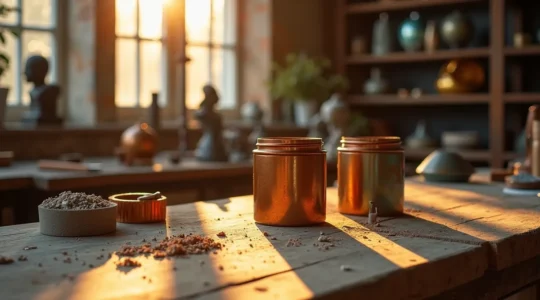
Cold Casting Bronze: How to Make Resin Look and Feel Like Solid Metal
The secret to a convincing cold-cast bronze isn’t just mixing powder and resin; it’s about tricking the senses by manipulating particle density, chemical reactions, and internal weight. A high powder-to-resin ratio (over 50% by weight) is non-negotiable for creating a…
Read more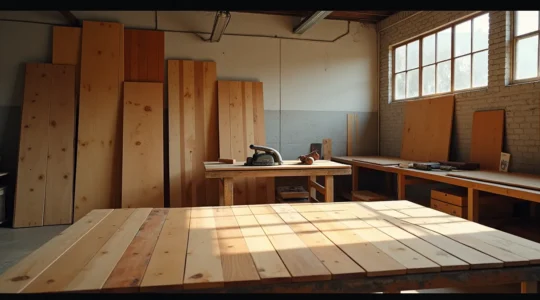
Recycled Wood Art: How to Turn Old Pallets into Luxury Art Surfaces?
In summary: Most “free” reclaimed wood is dangerously unstable for indoor art due to massive shifts in moisture content. Many old pallets are treated with toxic chemicals like Methyl Bromide (MB); proper identification is non-negotiable for safety. The “free wood”…
Read more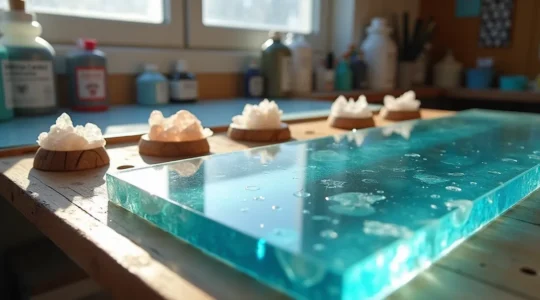
Experimental Resin Art: The Science of a Flawless, Crystal-Clear Finish
Contrary to popular belief, a flawless resin finish doesn’t come from a torch or slow stirring, but from mastering the chemical reactions you’re initiating. Uncontrolled heat (exothermic reaction) is the primary cause of cracks and yellowing, not just mixing speed….
Read more
Mixed Media Alchemy: A Material Scientist’s Guide to Combining Incompatible Art Supplies
Lasting mixed media art isn’t about breaking rules, but understanding the hidden material science that governs why combinations fail—or succeed spectacularly. Most failures, like peeling or sagging, stem from mismatched physical properties like dimensional stability and tensile strength, not just…
Read more
Collage Media Art: How to Collect Mixed Media Works Without Legal Risks?
The greatest risk to your collage art investment is not a single copyright claim, but the combined, often invisible, erosion of value from material instability and a weak legal foundation. Material degradation, or “inherent vice,” from non-archival glues and papers…
Read more
Varnish Layering: How the Final Coat Can Make or Break a Painting?
The final varnish is not an aesthetic afterthought but a critical act of conservation; its success is measured not in gloss, but in its absolute, non-destructive reversibility. A conservation-grade varnish must be removable with solvents that do not affect the…
Read more
India Ink Washes: Why This Ancient Art Form Has Remained Timeless for Centuries
The enduring appeal of India ink art for collectors stems not just from its minimalist beauty, but from its verifiable, centuries-long permanence rooted in stable carbon chemistry. Pigment-based India ink offers unparalleled lightfastness due to its inert carbon structure, unlike…
Read more
Acrylic Pointillism: How Dots Create Colors That Don’t Exist on the Palette?
Pointillism isn’t just an artistic style; it’s a sophisticated hack of the human visual system, creating colors that exist only in the viewer’s brain. The technique relies on the scientific limit of our eye’s “angular resolution,” forcing the brain to…
Read more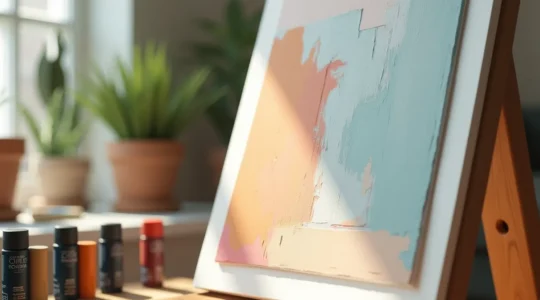
Gouache: Why Is the Designer’s Secret Weapon Taking Over the Fine Art World?
Gouache’s resurgence is an aesthetic rebellion against our glossy, digital-first world, championing a tangible, non-reflective matte finish. Its unique opacity allows for techniques impossible with traditional watercolor, offering a bridge to acrylic-style painting. The velvety matte surface eliminates glare, making…
Read more
Oil Glazing Mastery: Why Do Luminous Paintings Cost More Than Alla Prima Works?
The premium price of a glazed oil painting reflects its reality as a complex optical engine, not merely the hours spent by the artist. Unlike direct painting, glazing builds luminosity by sculpting light through dozens of transparent layers, creating a…
Read more